



Water heaters play a crucial role in providing reliable hot water for daily household needs, from bathing to cooking and cleaning. Choosing the right water heater involves understanding the types available, energy efficiency considerations, and the importance of proper installation and maintenance. Partnering with professional HVAC services ensures your system operates safely, efficiently, and lasts longer, saving both time and money. This guide explores water heater options, energy-saving strategies, installation considerations, maintenance practices, and signs of potential problems, helping homeowners make informed decisions for their homes.
Types of Water Heaters Available for Your Home
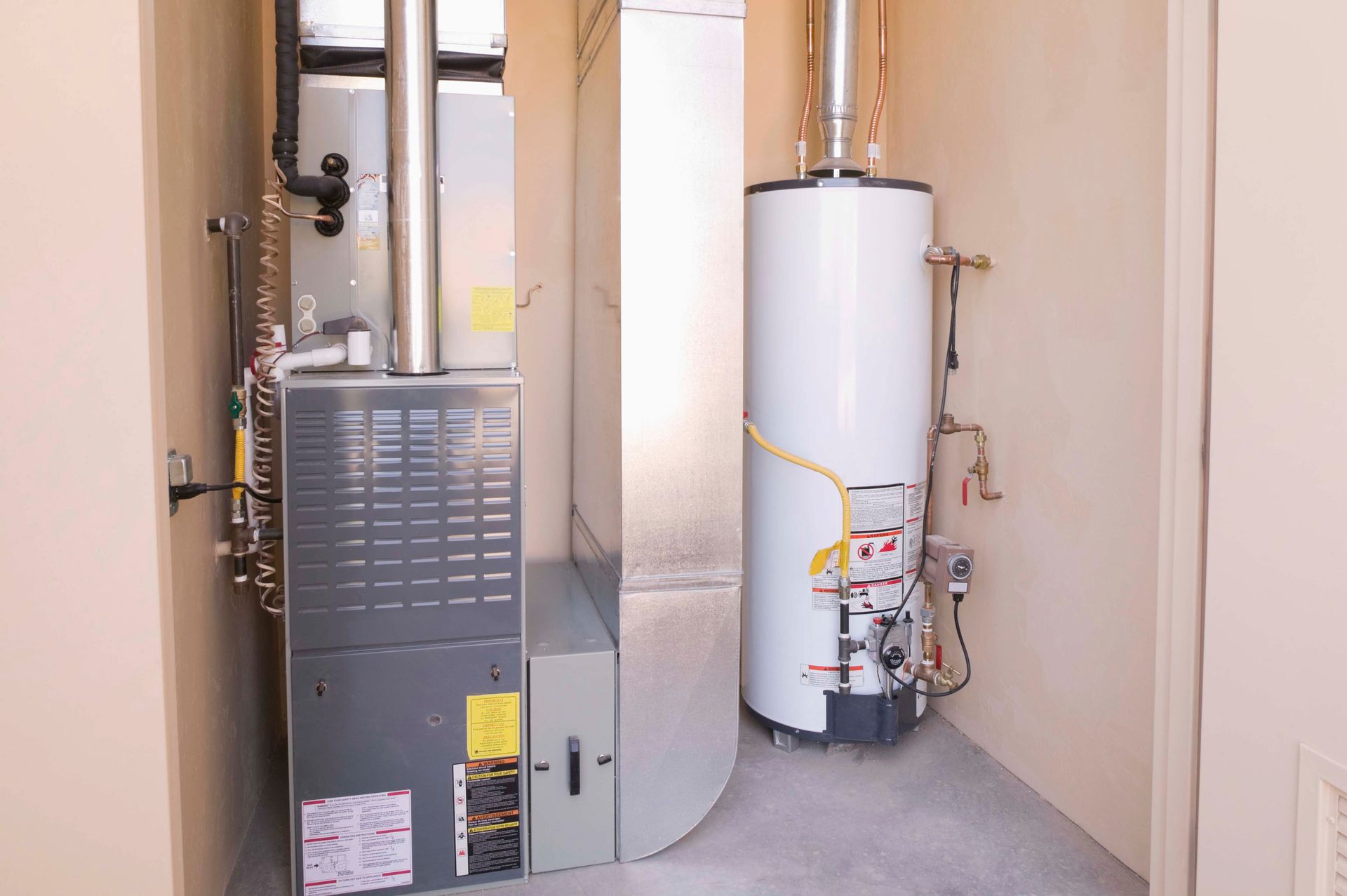
Water heaters come in several types, each offering distinct advantages and disadvantages depending on household needs. Conventional storage tank water heaters maintain a supply of hot water in a large tank, making them reliable for consistent use but sometimes less energy-efficient due to standby heat loss. Tankless, or on-demand water heaters, heat water only as needed, offering energy savings and a continuous supply of hot water while occupying minimal space. Heat pump water heaters move heat from the air or ground to the water, boosting energy efficiency, while solar water heaters harness sunlight to reduce reliance on traditional energy. Condensing water heaters capture hot exhaust gases to preheat incoming water, increasing efficiency in gas-powered homes. Understanding the options helps homeowners choose a system that aligns with performance, space, and energy goals while benefiting from professional HVAC services.
Energy Efficiency Considerations for Your Water Heater
Energy efficiency is a key factor when selecting a water heater. The Energy Factor (EF) rating measures a unit's efficiency by comparing hot water output per unit of fuel consumed over a day. Higher EF ratings indicate better energy performance, which reduces operational costs and environmental impact. According to This Old House, energy-saving water heater models can cut monthly power bills by as much as 30%, providing meaningful long-term savings. Insulation quality, energy source, and modern technologies such as heat exchangers or solar integration further impact efficiency. Homeowners considering their options should also explore available rebates or incentives for energy-efficient models to offset initial costs, ensuring their choice is both cost-effective and environmentally responsible. Professional HVAC services can help optimize energy use through proper system selection and installation.
Comparing Water Heater Energy Sources
The choice of energy source directly affects efficiency and running costs. Gas water heaters generally heat faster and have lower operational costs in regions where gas is inexpensive, whereas electric models offer simpler installation and compatibility with solar power systems. Heat pump and solar water heaters provide environmentally friendly alternatives, reducing carbon footprints and utility bills. By comparing local utility costs, climate considerations, and environmental priorities, homeowners can make an informed decision. Engaging HVAC services ensures that the water heater integrates with your home's energy system correctly, maximizing performance while minimizing ongoing expenses. Expert guidance allows for the selection of a model that fits both lifestyle and budget.
Installation Space and Planning Requirements
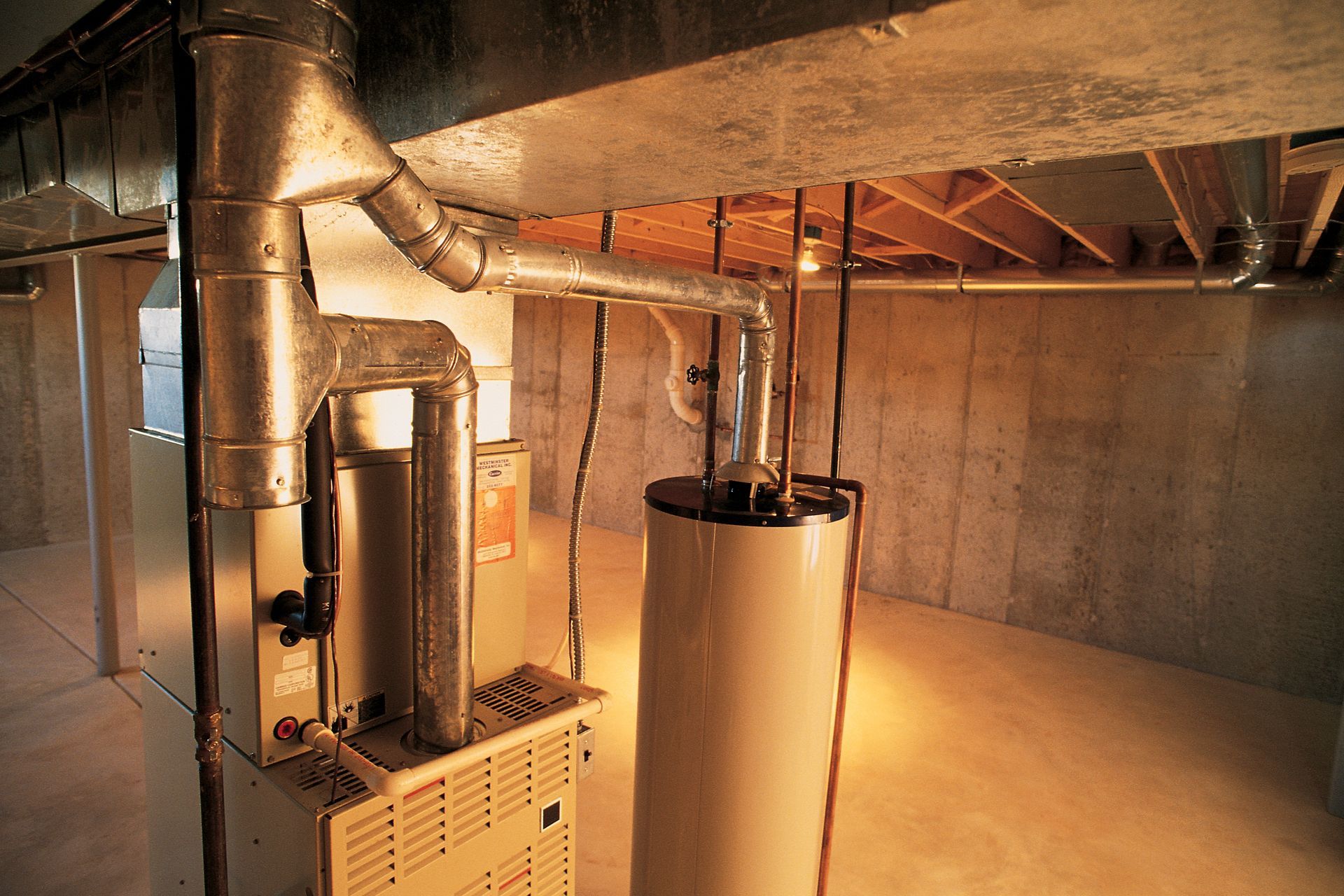
Installing a water heater requires careful planning for space and configuration. Tank-based units need sufficient room for ventilation and maintenance, while tankless and condensing systems may require specific clearances and additional equipment for optimal performance. Assessing the physical layout of your home and water connections helps avoid installation complications and improves long-term efficiency. HVAC services provide professional evaluation of space requirements and ensure the unit is installed according to safety standards. Proper planning prevents unnecessary modifications, supports system longevity, and ensures that your water heater operates at peak performance for years to come.
Permitting and Regulatory Considerations
Installing a water heater legally requires adherence to local building codes and permits. These regulations vary by region and may cover aspects such as clearance distances, pipe materials, and ventilation requirements. Compliance ensures safety, prevents legal issues, and guarantees system performance. HVAC services are well-versed in local code requirements and can navigate permit processes efficiently, providing homeowners with peace of mind and a properly installed system. By working with certified professionals, you avoid potential code violations and ensure that the water heater installation meets all safety and regulatory standards.
Professional vs. DIY Water Heater Installation
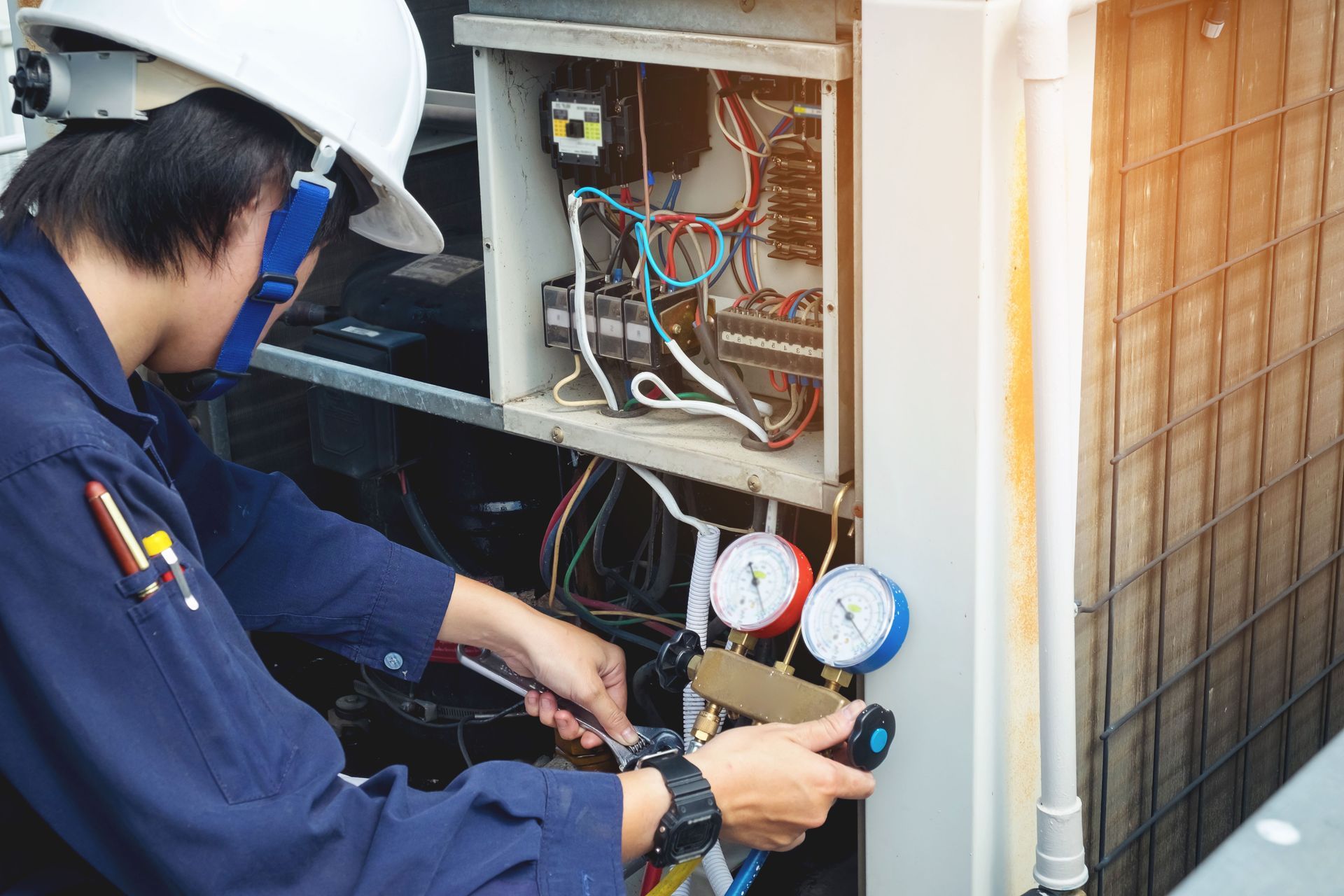
While some homeowners may attempt DIY water heater installation, professional HVAC services offer expertise, safety, and efficiency that can prevent costly mistakes. Professionals ensure correct setup, adherence to codes, and secure connections to gas, electric, or water lines. Additionally, they often provide labor warranties, protecting against future issues. DIY installation may work for small or simple projects, but complex systems like heat pump or tankless units benefit from expert handling. Partnering with HVAC services guarantees optimal system function, safe operation, and long-lasting performance, reducing stress and saving time for homeowners.
Ensuring Compatibility with Existing Home Systems
Modern water heaters must integrate seamlessly with existing plumbing, electrical, and gas systems. Older infrastructure may require upgrades or adjustments to accommodate new energy-efficient models. Consulting HVAC professionals allows for a thorough evaluation of home systems, ensuring compatibility and preventing costly retrofits. Proper integration ensures optimal operation, avoids system strain, and maintains consistent hot water delivery. By addressing compatibility concerns early, homeowners can enjoy reliable performance, reduced energy consumption, and minimized disruption to household routines. HVAC services provide the expertise to align new systems with existing infrastructure effectively.
Maintenance Routines to Extend Water Heater Life
Regular maintenance is essential to sustain water heater efficiency and longevity. Routine inspections help detect issues like thermostat malfunctions, pressure relief valve wear, or sediment accumulation before they become severe. Flushing the tank periodically removes sediment, improves water flow, and preserves heating efficiency. Checking the anode rod prevents corrosion, while addressing leaks and drips promptly reduces damage and water waste. Additionally, energy efficiency can be optimized by insulating pipes and adjusting temperature settings. HVAC services provide ongoing maintenance, ensuring water heaters operate efficiently, remain safe, and provide reliable hot water for years.
Recognizing Signs of Water Heater Problems
Identifying potential water heater problems early prevents major repairs. Unusual noises, inconsistent water temperature, discolored water, decreased output, and visible corrosion are indicators that maintenance or repair is needed. Sediment build-up often causes noise and reduced efficiency, while thermostat or element issues lead to temperature fluctuations. Rust or corrosion signals tank deterioration, requiring attention to prevent leaks. Professional HVAC services can accurately diagnose and repair these issues, restoring system function and preventing damage. Timely intervention maintains water heater efficiency, safety, and performance, protecting your investment and household comfort.
Selecting the Right HVAC Service Provider for Your Water Heater
Choosing a reputable HVAC service provider is essential for installation, repair, and maintenance. Verify credentials, licenses, and experience to ensure technical proficiency. Customer reviews and references provide insight into reliability and satisfaction, while evaluating service packages helps determine value and convenience. Transparent pricing models allow homeowners to plan budgets accurately, avoiding unexpected costs. Partnering with professionals guarantees adherence to safety standards, optimal installation, and ongoing support. With expert HVAC services, your water heater remains efficient, durable, and dependable, delivering consistent hot water to meet your household needs.
Enhancing Long-Term Efficiency and Cost Savings
Implementing energy-saving strategies maximizes water heater efficiency and reduces monthly expenses. Lowering thermostat settings, using insulated piping, and selecting modern, efficient models all contribute to savings. According to This Old House, choosing energy-efficient water heater models can reduce monthly energy bills by nearly 30%, providing long-term financial and environmental benefits. HVAC services assist in selecting and maintaining systems that deliver these savings, ensuring optimal energy use and performance. Professional installation and maintenance guarantee efficiency, reliability, and safety, helping homeowners achieve cost-effective comfort. By relying on HVAC services, you secure both performance and value for your water heating system.
Water heaters are essential for household comfort, and choosing the right type, ensuring energy efficiency, and performing regular maintenance are crucial for reliable operation. Professional HVAC services provide expert installation, repair, and ongoing support, ensuring your system runs safely and efficiently. By understanding the options and partnering with skilled technicians, homeowners can maximize energy savings, prolong system life, and enjoy consistent hot water. You can rely on the expertise of M & M Heating & Cooling, LLC for all your HVAC services and water heating needs.



Share On: