


Ductless mini-split systems can provide targeted heating and cooling for individual areas of a home. They can be especially useful when existing ductwork does not reach certain spaces or when extending a traditional duct system is impractical. An HVAC contractor can help homeowners evaluate whether this type of system fits their property's layout and comfort needs.
The Basic Benefits of Mini-Split Systems
Define Ductless Systems
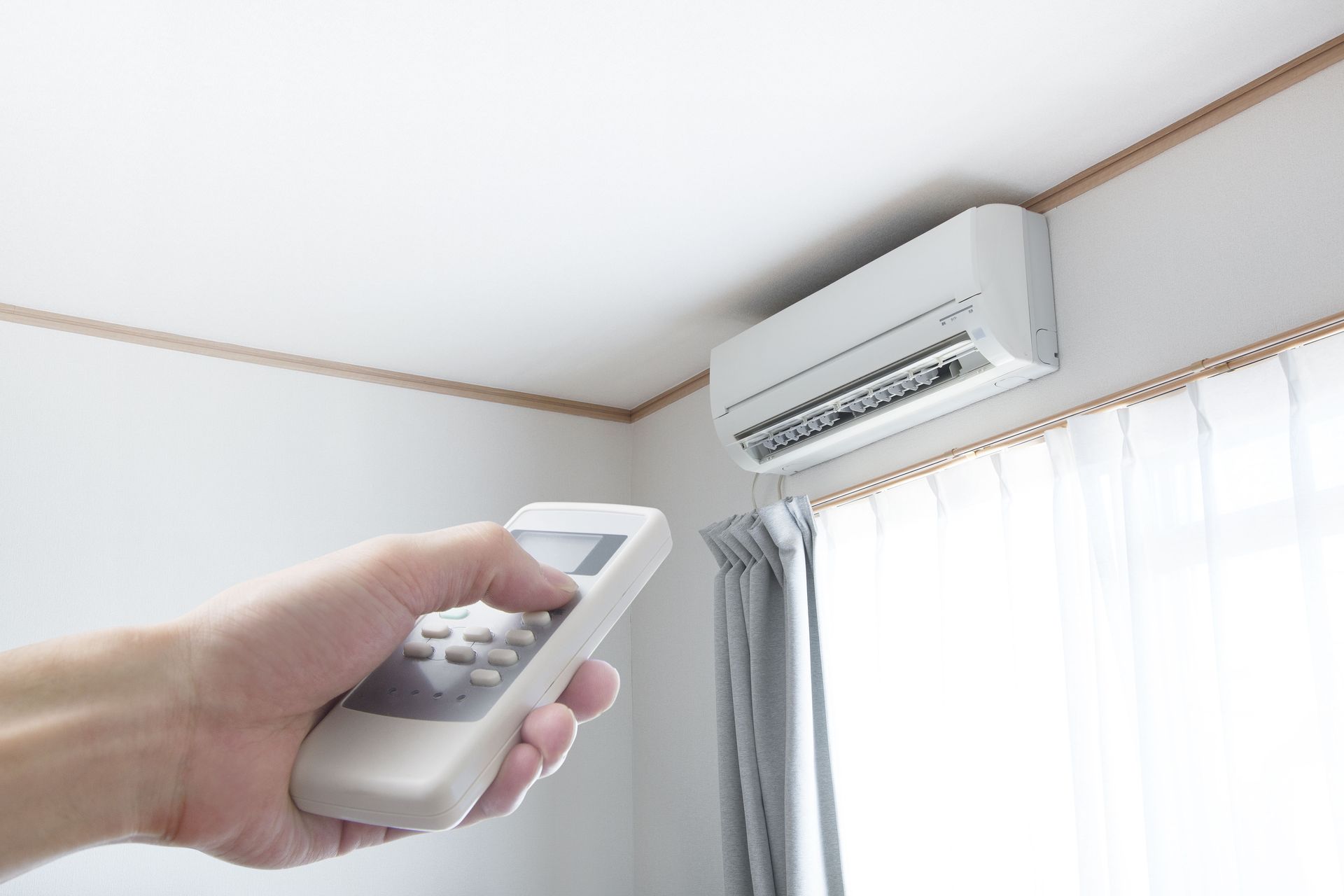
Ductless mini-splits are heating and cooling systems designed to condition specific areas without relying on traditional ductwork. They can provide an alternative for homes or spaces where ductwork does not reach or where adding ductwork is not practical. An HVAC contractor can assess the space and determine whether a ductless system is appropriate.
Understand Zoned Comfort
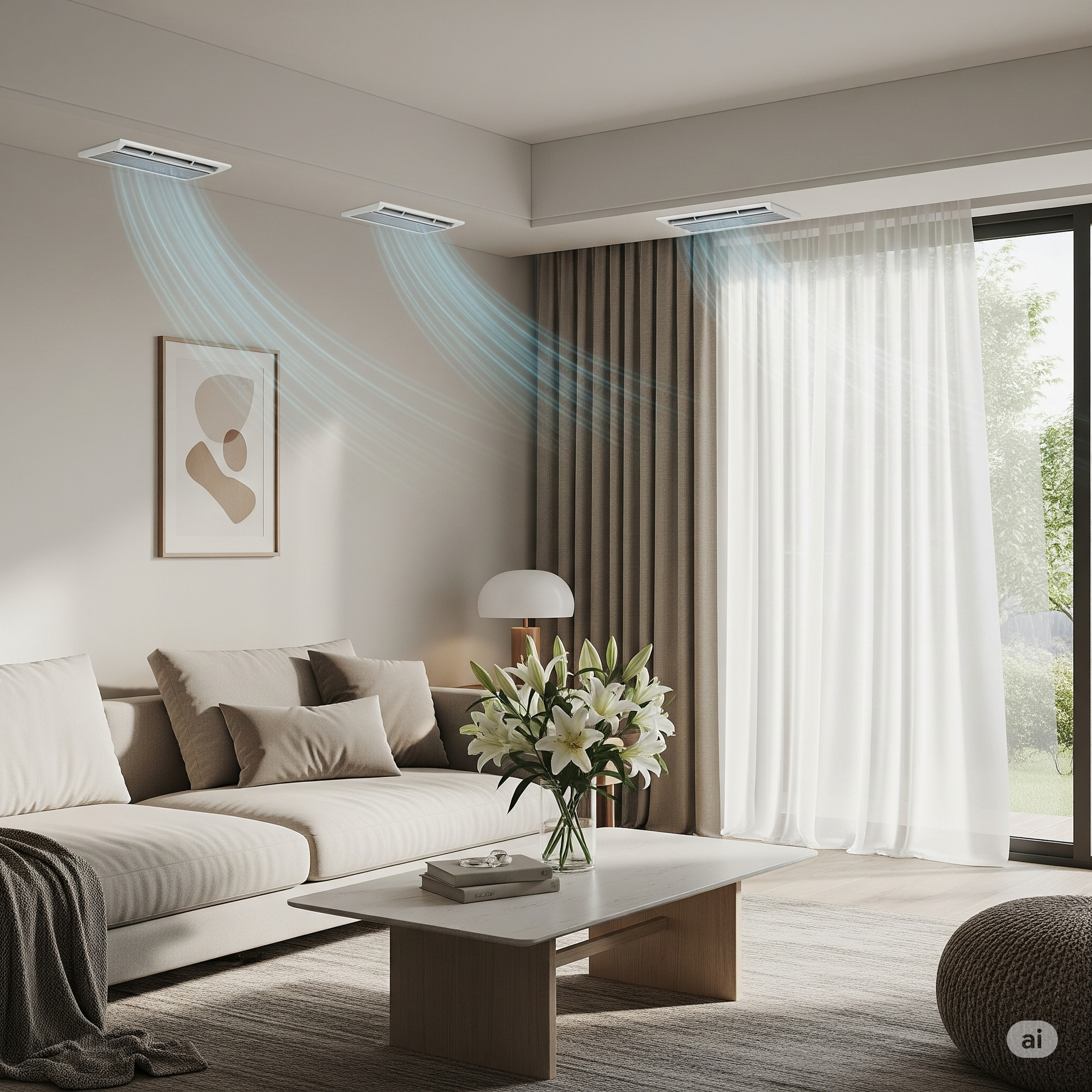
One of the primary advantages of a ductless mini-split is its ability to provide targeted heating and cooling. Instead of conditioning every area through a traditional duct system, a ductless system can address specific spaces that need additional heating or cooling. This makes an HVAC contractor a useful resource when evaluating whether zoned comfort is appropriate for a home.
High-efficiency ductless air conditioning systems can provide cooling while using less energy than less-efficient equipment. According to WifiTalents, you can expect energy savings of 20-30% when switching to zoned HVAC systems. An HVAC contractor can help homeowners evaluate equipment options based on the property's layout and heating and cooling requirements.
Consider System Configurations
Ductless mini-splits can be installed as one or more units. The number of units needed depends on the areas being conditioned and the property's specific heating and cooling requirements. An HVAC contractor can evaluate the property before recommending an appropriate configuration.
This flexibility can make ductless systems appropriate for homes where traditional ductwork does not extend into certain areas. A professional evaluation can help determine whether a ductless configuration is appropriate and how it can complement the property's existing HVAC system. An HVAC contractor can also consider how the proposed system fits with the home's current equipment.
Compare Ductless Options
Traditional HVAC systems rely on ductwork to distribute conditioned air throughout a property. Ductless mini-splits provide another approach by delivering heating and cooling without requiring a traditional duct network. An HVAC contractor can help homeowners compare these approaches based on the property's existing setup.
This can be particularly useful when extending ductwork is impractical. Instead of modifying an existing duct system, homeowners can consider a ductless solution for areas that need additional heating or cooling. An HVAC contractor can assess those spaces and determine whether ductless equipment is a suitable option.
Evaluate System Limitations
A ductless mini-split may not be the right solution for every property. The number of areas that need conditioning, the existing HVAC system, and the layout of the home all factor into whether a ductless system makes sense. An HVAC contractor can assess these factors before installation.
Homeowners should also consider whether they need a standalone ductless system or a solution that complements existing central air conditioning. Both approaches can address different heating and cooling needs depending on the property. An HVAC contractor can help identify the appropriate approach based on the home's existing equipment and layout.
The Major Benefits of Zoned Cooling
Improve Targeted Efficiency
Ductless mini-splits can provide heating and cooling to specific areas rather than requiring traditional ductwork throughout the property. This targeted approach can be useful when only certain rooms require additional conditioning. An HVAC contractor can help determine whether this type of system fits the home's comfort requirements.
High-efficiency ductless air conditioning systems can provide cooling while using less energy than less-efficient equipment. Proper system selection and installation are important considerations when evaluating efficiency and comfort. An HVAC contractor can help homeowners assess available ductless options for the property.
Customize Room Comfort
Zoned heating and cooling can give homeowners greater control over the comfort of individual areas. This can be helpful when certain rooms require more heating or cooling than others. A ductless system can provide an option for addressing those areas without extending traditional ductwork.
Because ductless systems can address specific spaces, they can provide an option for rooms that do not receive the desired level of comfort from an existing HVAC system. This makes them worth considering for homes with areas that have different heating and cooling needs. An HVAC contractor can evaluate those areas and determine whether a ductless solution is appropriate.
The Professional Installation and Maintenance
Plan Professional Installation
Installing a ductless mini-split requires determining where the system will provide heating or cooling and how many units are appropriate for the property. Professional installation can help ensure the selected equipment and configuration are suited to the space. An HVAC contractor can evaluate these considerations before installation.
Ductless mini-splits can be installed as one or more units, depending on the property's needs. High-efficiency ductless air conditioning systems are also available for homeowners seeking a ductless cooling option. An HVAC contractor can help determine which equipment and configuration are appropriate for the home.
Complete the Installation
Once the appropriate system has been selected, installation establishes the equipment needed to provide heating or cooling to the designated areas. The exact installation requirements can vary based on the system and property. Professional service can help ensure the installation is suited to the home's specific needs.
Professional installation is particularly important when adding a ductless system to an existing HVAC setup. The installation should account for the areas being conditioned and how the new system will work within the property's overall heating and cooling arrangement. An HVAC contractor can evaluate the existing setup before adding ductless equipment.
Ductless mini-split installation is available for a variety of residential applications. Systems from brands including Fujitsu, Mitsubishi, LG, and Samsung are offered. Homeowners can discuss available options with an HVAC contractor based on their property's heating and cooling needs.
Schedule Regular Tune-Ups
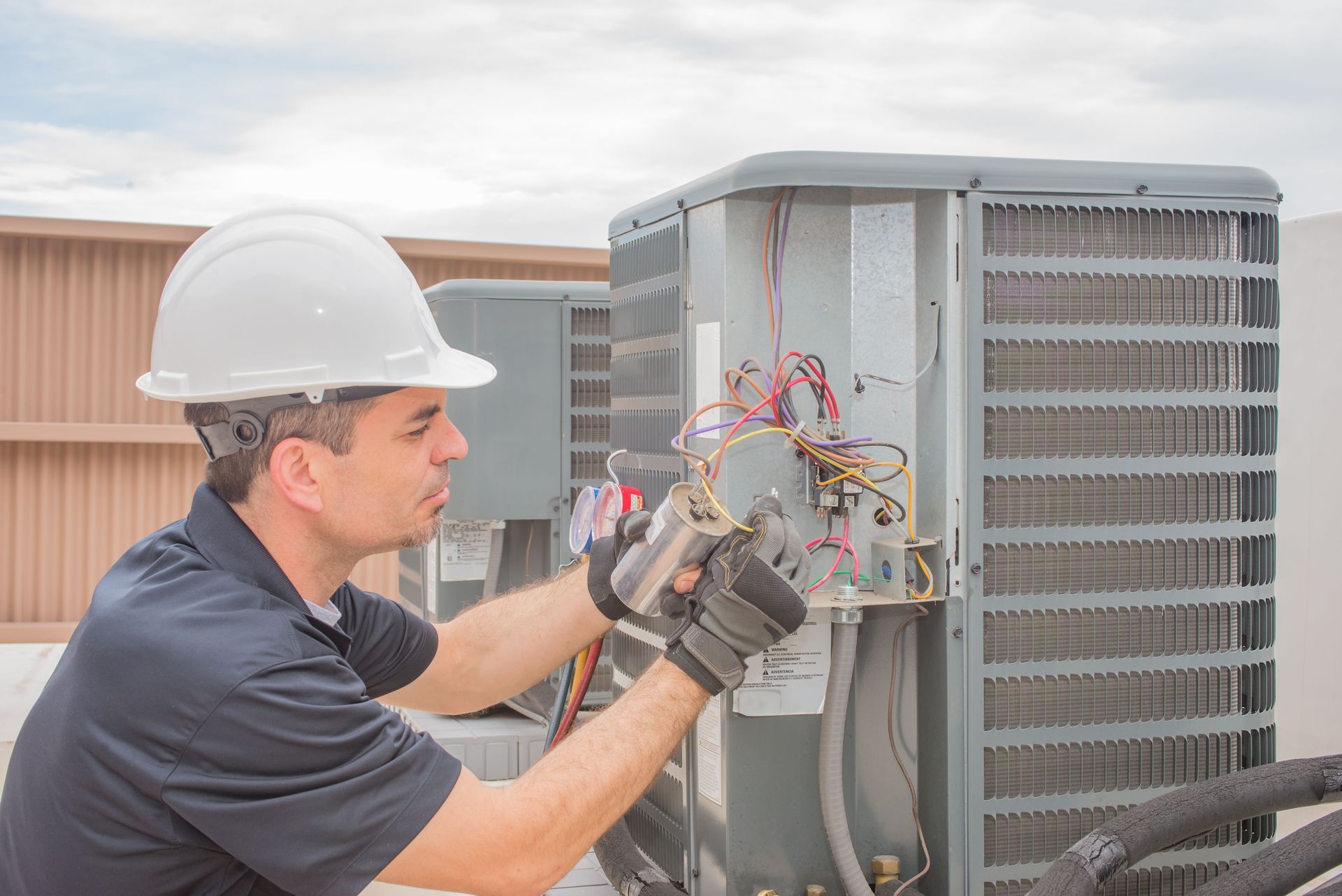
Regular maintenance can help keep a ductless mini-split operating properly. Tune-ups provide an opportunity to assess the system and address potential performance concerns. An HVAC contractor can provide professional maintenance based on the system's service needs.
Annual preventative maintenance is available for ductless mini-split systems. Regular service can also help homeowners identify issues that may require repair before they interfere with normal heating or cooling. Scheduling service with an HVAC contractor can help homeowners keep maintenance needs on track.
The Practical Considerations for Mini-Splits
Assess Your Existing HVAC
Start by considering how well the current HVAC system serves the home. If certain areas do not receive the desired heating or cooling or lack access to existing ductwork, a ductless mini-split may be worth evaluating. An HVAC contractor can assess the existing system and the areas that need additional comfort.
The property's existing equipment can also influence whether a ductless system should operate independently or complement the current setup. Reviewing the current HVAC arrangement can help identify areas where additional heating or cooling may be useful. A professional evaluation can help homeowners make an informed decision.
Identify Areas Needing Comfort
Consider which rooms or spaces require additional heating or cooling. Identifying these areas can help determine whether a ductless system can provide a practical solution without relying on additional traditional ductwork. The property's layout and existing HVAC equipment should also be considered.
Homeowners exploring ductless heating and cooling can turn to M & M Heating & Cooling, LLC for mini-split installation, repairs, tune-ups, and high-efficiency ductless air conditioning options. Our team can help homeowners evaluate available solutions based on the home's existing HVAC setup and comfort requirements. Learn more about our ductless services to determine whether a mini-split system suits your home's needs.




Share On: