



As homeowners look for ways to optimize their living spaces, energy efficiency and utility costs are consistently at the top of the priority list. One of the most significant decisions a property owner can face is determining how to heat their home during the coldest months of the year. For decades, heating oil was the standard choice across many regions, providing baseline warmth but requiring substantial structural oversight. However, aging infrastructure, volatile oil prices, and a shifting cultural focus toward sustainability have prompted many to consider making the switch to natural gas.
An oil-to-gas conversion is a major home improvement project that involves replacing an oil-fired furnace or boiler with a modern natural gas system. While the transition requires a thoughtful upfront financial investment, the long-term operational and environmental advantages are compelling. By evaluating the structural, financial, and ecological aspects of this update, you can determine if transitioning your heating infrastructure is the right move for your household.
Reducing Environmental Footprints: The Clean Energy Shift
The modern consumer is deeply invested in environmental stewardship. The desire to reduce household carbon emissions is no longer a niche preference; it has become a primary driver in how people choose to renovate their homes. According to Business Development Resources, LLC, upwards of 60% of domestic HVAC buyers are willing to invest a premium in eco-conscious, energy-efficient setups that effectively shrink their home's carbon footprint.
Natural gas plays a pivotal role in meeting this demand for cleaner energy. Compared to heating oil, natural gas releases significantly fewer greenhouse gases when combusted. It produces far less carbon dioxide, nitrogen oxides, and sulfur dioxide, making it a substantially cleaner fossil fuel. Additionally, gas systems do not produce the soot, ash, or unpleasant odors often associated with older oil burners, leading to significantly better indoor and outdoor air quality.
When a homeowner decides to prioritize sustainability, partnering with a knowledgeable HVAC company is the crucial first step. A professional HVAC company can assess your current emissions footprint and help you select a high-efficiency gas furnace or boiler that maximizes environmental benefits. By aligning your home infrastructure with modern green standards, you directly contribute to a cleaner local ecosystem while enjoying a more reliable heat source.
Analyzing Financial Dynamics: Upfront Costs vs. Long-Term Savings
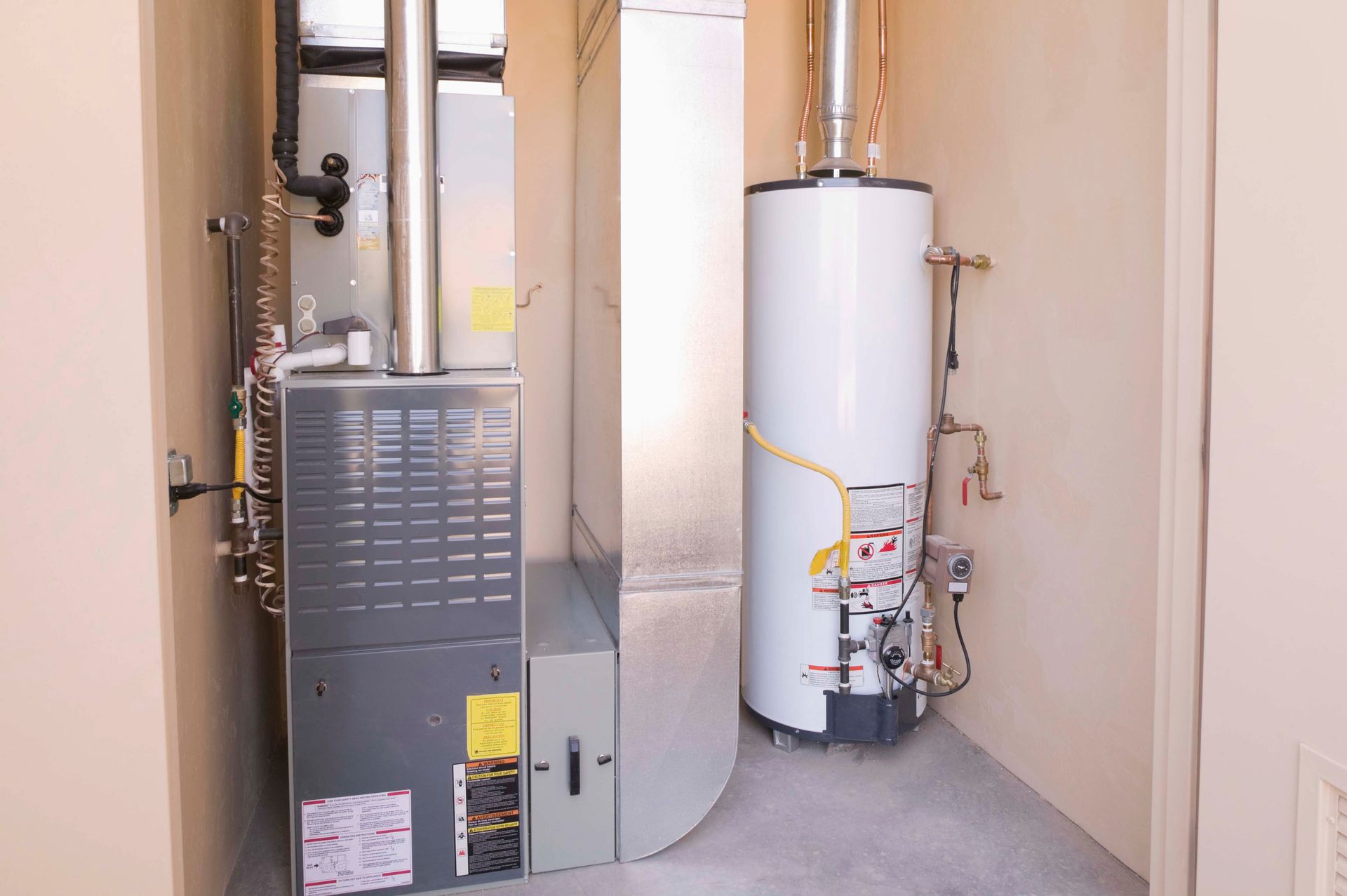
The primary hesitation surrounding an oil-to-gas conversion is the initial price tag. The transition involves several distinct steps, including removing the old oil tank, running a new gas line from the street to the house if service isn't already present, installing the new heating equipment, and potentially modifying existing ductwork or piping. Many systems also require updating chimney liners or installing direct-vent piping to handle the condensation produced by modern equipment.
Despite these upfront expenses, the long-term financial outlook is highly favorable. Natural gas has historically maintained a much lower and more stable price point per British Thermal Unit (BTU) compared to heating oil. Heating oil prices fluctuate wildly based on global oil markets, geopolitical tensions, and seasonal supply crunches. Homeowners relying on oil often find themselves at the mercy of unpredictable winter delivery rates.
Natural gas is delivered continuously through underground utility lines, eliminating the need to schedule deliveries or pre-purchase fuel blocks. Over time, the lower monthly utility costs associated with natural gas allow homeowners to recoup their initial investment, often resulting in lower total operational costs over the system's lifespan. To accurately map out these potential savings, it is highly recommended to consult a certified HVAC company. A qualified HVAC company can provide a comprehensive cost-benefit analysis tailored to your local utility rates and specific household heating demands.
Enhancing Operational Convenience: Reliability and Safety Every Day
Beyond the financial and environmental statistics, switching to natural gas introduces a level of daily convenience that oil simply cannot match. Homeowners with oil systems must constantly monitor the fuel levels inside their storage tanks. Letting a tank run completely dry during a freezing winter spell can cause severe damage to the heating system, leading to frozen pipes and costly emergency repairs.
Natural gas eliminates the anxiety of fuel monitoring. Because the fuel flows directly from the utility company's main line, your home receives a continuous, uninterrupted supply of energy. You never have to worry about a delivery truck being delayed by a severe blizzard or hazardous road conditions. Modern gas valves and electronic ignition systems also eliminate the need for standing pilot lights, increasing overall operational safety.
From a maintenance perspective, natural gas units are remarkably clean and resilient. Oil systems require frequent cleaning to remove carbon buildup, soot, and clogged fuel filters, which can rapidly lower mechanical performance. Gas systems run incredibly clean, resulting in fewer mechanical breakdowns and extended equipment lifespans. If an issue does arise, finding replacement components and qualified technicians is much easier because gas technology is standard across the modern industry. Scheduling regular preventative tune-ups with a trusted HVAC company ensures that your new gas infrastructure operates safely and at peak efficiency for decades.
Maximizing Resale Worth: Property Value and Safety Security
Investing in an oil-to-gas conversion also serves as a strategic strategy to boost the market value of your property. Future homebuyers are deeply observant of a property's utility infrastructure. Houses that rely on heating oil are frequently viewed as high-maintenance projects by younger buyers who prefer modern, hassle-free solutions. A home equipped with a brand-new, energy-efficient natural gas system is a highly marketable asset that stands out in real estate listings.
Furthermore, removing an old oil tank eliminates a significant environmental and financial liability. Above-ground oil tanks take up valuable space in basements or yards, while aging underground tanks pose a severe risk of fuel leaks. An underground oil leak can contaminate surrounding soil and groundwater, resulting in catastrophic environmental cleanup costs that insurance policies rarely cover entirely.
By eliminating the tank, you eliminate the risk of contamination completely. When you work with an expert HVAC company to safely decommission the old system and install the new gas unit, you secure peace of mind alongside enhanced property value. Buyers will appreciate knowing that a verified HVAC company handled the transition properly, ensuring that the installation complies with all local building codes and safety regulations.
Navigating the Switch: Determining If Conversion Is Right for You
Every home is unique, and an oil-to-gas conversion requires analyzing your specific geographic location, existing infrastructure, and long-term financial plans. If natural gas lines do not currently run under your street, the cost of extending utility infrastructure to your property may be prohibitive. However, if your neighborhood already has established gas access and your current oil burner is nearing the end of its functional lifespan, making the switch is an incredibly logical next step.
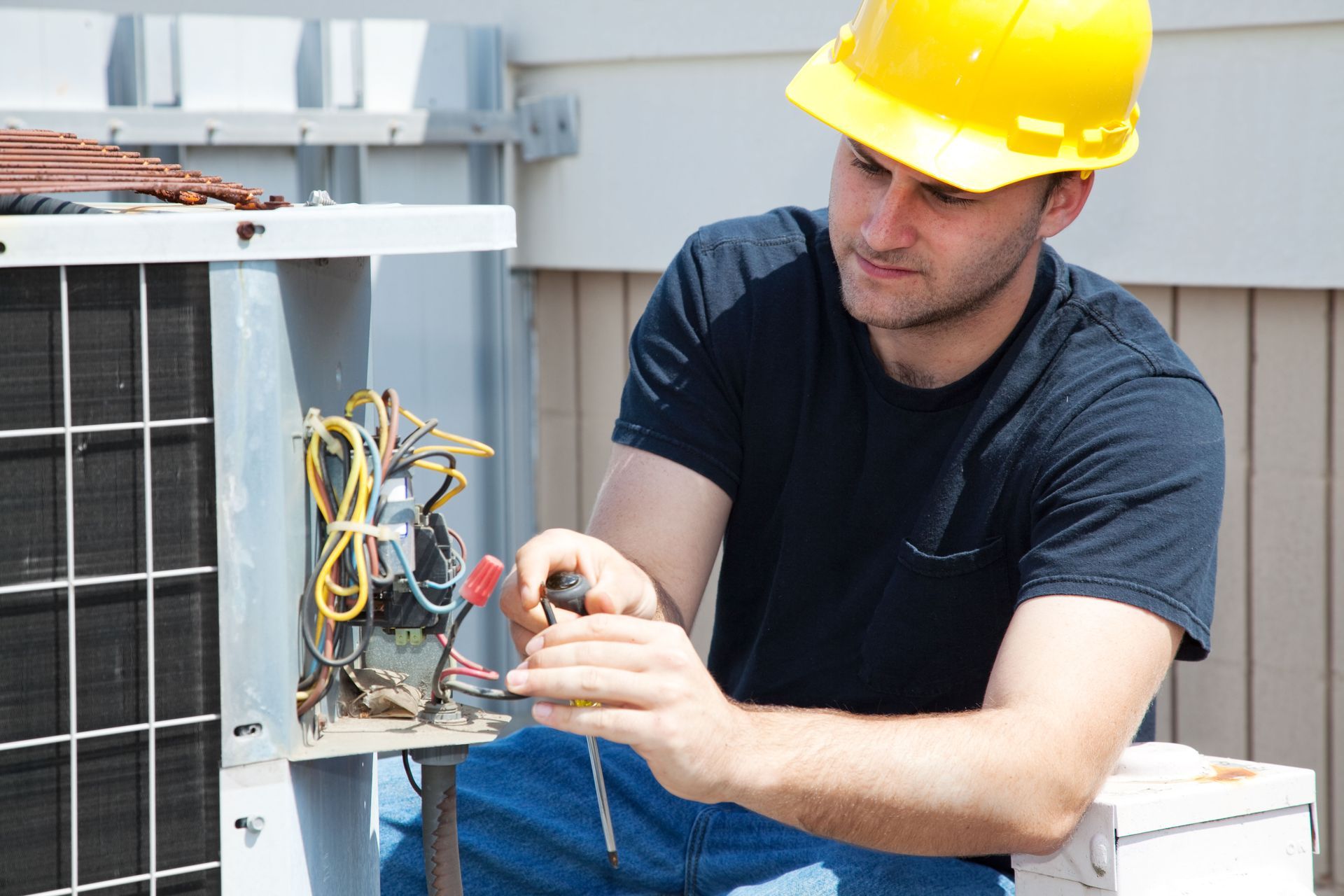
The transition process does not have to be overwhelming. By leaning on the expertise of a professional HVAC company, you can navigate the conversion smoothly from the initial utility permitting stages to the final system balancing. A dedicated HVAC company will help you evaluate available regional rebates, manufacturer incentives, and federal tax credits designed to offset the cost of upgrading to energy-efficient appliances.
Converting from oil to natural gas allows you to gain control over your winter utility expenses, minimize your household carbon footprint, and enjoy the unparalleled convenience of a steady fuel supply. It is a long-term investment that pays dividends in comfort, safety, and environmental health every single day, so make the transition seamless by contacting M & M Heating & Cooling, LLC today to schedule your consultation.




Share On: